
Yes, in many cases yellow teeth can become noticeably whiter with teeth whitening treatments. Whitening works best on surface stains caused by coffee, tea, wine, tobacco, or plaque buildup, which can be broken down by professional or at-home whitening products. However, the results depend on the cause of discoloration. Some deeper stains caused by medications, tooth injury, or internal changes in the tooth may require other cosmetic treatments such as bonding or veneers.
Table of Contents

Why Teeth Turn Yellow in the First Place
Teeth can turn yellow for a variety of reasons, most of which involve staining, plaque buildup, or natural changes in the tooth over time. The outer layer of the tooth, called enamel, is naturally white but slightly translucent. As enamel becomes stained or gradually thins with age, the darker layer underneath called dentin can become more visible, making teeth appear yellow.
Common causes of yellow teeth include:
- Coffee, tea, wine, and dark-colored foods that stain enamel
- Smoking or tobacco use, which can leave stubborn yellow or brown stains
- Plaque and tartar buildup along the teeth and gumline
- Natural aging, which causes enamel to thin over time
- Certain medications, such as some antibiotics or antihistamines
- Genetics, which can influence natural tooth color and enamel thickness
Understanding the cause of discoloration can help determine the best way to improve tooth color, whether through professional cleaning, lifestyle changes, or teeth whitening treatments.
Types of Tooth Stains
Tooth discoloration generally falls into two main categories: extrinsic stains and intrinsic stains. Understanding the type of stain affecting your teeth can help determine whether teeth whitening or another treatment is the most effective solution.
Extrinsic Stains (Surface Stains)
Extrinsic stains occur on the outer surface of the tooth enamel. These stains are the most common type and are usually caused by substances that come into contact with the teeth over time.
Common causes include:
- Coffee, tea, red wine, and dark-colored foods
- Smoking or tobacco use
- Plaque and tartar buildup
- Certain mouth rinses that contain staining ingredients
Extrinsic stains often respond well to professional cleanings and teeth whitening treatments, since the discoloration is located on the outer surface of the tooth.
Intrinsic Stains (Internal Stains)
Intrinsic stains develop inside the tooth, within the dentin layer beneath the enamel. These stains are usually deeper and may not respond as easily to standard whitening treatments.
Common causes include:
- Aging and enamel thinning
- Certain medications, such as tetracycline antibiotics
- Trauma or injury to a tooth
- Excessive fluoride exposure during childhood
Intrinsic stains may require stronger professional whitening treatments or cosmetic options, such as dental bonding or veneers, to improve the appearance of the tooth.
How Teeth Can Become White Again
| Treatment | How it Works | Best For |
|---|---|---|
| Professional Teeth Whitening | Uses stronger whitening agents applied by a dentist to break down stains in the enamel and lighten tooth color quickly | Moderate to severe surface stains from coffee, wine, tobacco, or aging |
| At-Home Whitening Kits | Custom trays and whitening gel provided by a dentist that gradually lighten teeth over several days or weeks | Mild to moderate discoloration that responds to whitening |
| Whitening Toothpaste | Contains mild abrasives and polishing agents that help remove surface stains | Light staining and maintaining whitening results |
| Professional Dental Cleaning | Removes plaque and hardened tartar that can make teeth appear yellow | Discoloration caused by plaque or tartar buildup |
When Whitening May Not Work
Teeth can turn yellow for a variety of reasons, most of which involve staining, Teeth whitening can be very effective for many types of discoloration, but it does not work in every situation. The results often depend on the cause and type of staining affecting the teeth.
Whitening may be less effective if discoloration is caused by:
- Intrinsic stains inside the tooth, which may result from trauma or certain medications
- Severe enamel thinning, where the darker dentin layer becomes more visible
- Gray or deep brown discoloration, which can be harder to lighten with standard whitening treatments
- Dental restorations, such as crowns, veneers, or fillings, which do not respond to whitening products
In these cases, a dentist may recommend other cosmetic treatments, such as dental bonding, veneers, or crowns, to improve the color and appearance of the teeth. A dental evaluation can help determine whether teeth whitening is the most effective option.
Other Treatments for Yellow Teeth
If teeth whitening does not produce the desired results, there are several other cosmetic dental treatments that can improve the appearance of tooth color. These options are often used when discoloration comes from deeper internal stains, enamel changes, or existing dental restorations that do not respond to whitening treatments.

Dental bonding involves applying a tooth-colored resin to the surface of a tooth to improve its color and shape. The material is carefully shaped and polished to blend with the surrounding teeth.

Porcelain veneers are thin custom-made shells that are bonded to the front surface of the teeth. They can dramatically improve tooth color while also correcting issues such as chips, gaps, or uneven shapes.
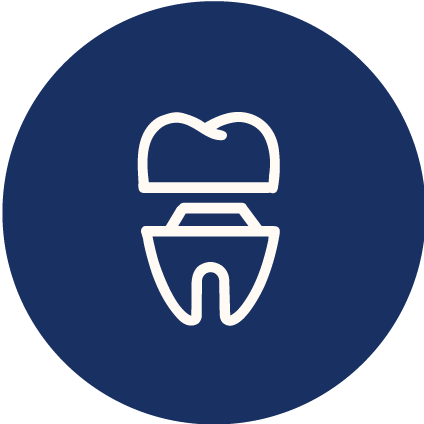
A dental crown is a custom-made cap that covers the entire tooth. Crowns are sometimes used when a tooth is significantly discolored or damaged, restoring both its appearance and strength.
A dentist can help determine which treatment is most appropriate based on the cause of discoloration and the overall health of the teeth.
How to Prevent Teeth from Becoming Yellow Again
After whitening treatments or professional cleanings, certain habits can help maintain a brighter tooth color and reduce future staining. Because many types of discoloration come from foods, drinks, and plaque buildup, small daily changes can make a noticeable difference over time.
Limiting staining beverages such as coffee, tea, red wine, and dark sodas.
Rinsing your mouth with water after consuming staining foods or drinks
Brushing twice daily and flossing regularly to remove plaque and prevent buildup
Using a whitening toothpaste occasionally to help reduce surface stains
Avoiding tobacco products, which are a common cause of yellow and brown stains
Scheduling regular dental cleanings to remove plaque and tartar
Did You Know?
“Whitening done in the dental office usually works faster and you can often see results in one visit. At-home kits use a lower strength and take a few weeks of consistent daily use.”
When to See a Houston Dentist About Yellow Teeth
Yellow teeth are often caused by surface stains from foods, drinks, or plaque buildup, but in some cases discoloration may indicate a deeper issue. If whitening toothpastes or improved brushing habits do not noticeably improve tooth color, a dentist can help determine the cause and recommend appropriate treatment.
You may want to see a dentist if you notice:
- Stains that do not improve with brushing or over-the-counter whitening products
- A single tooth that suddenly becomes darker than the others
- Yellowing that appears quickly or continues to worsen
- Discoloration after a tooth injury
- Sensitivity or changes in the tooth surface
A dental exam can help identify whether discoloration is caused by surface stains, plaque buildup, enamel thinning, or internal tooth changes, and a dentist can recommend treatments such as professional cleaning, teeth whitening, or other cosmetic options to improve your smile.