
Dental Hygiene Houston
Dental Cleanings
& Exams
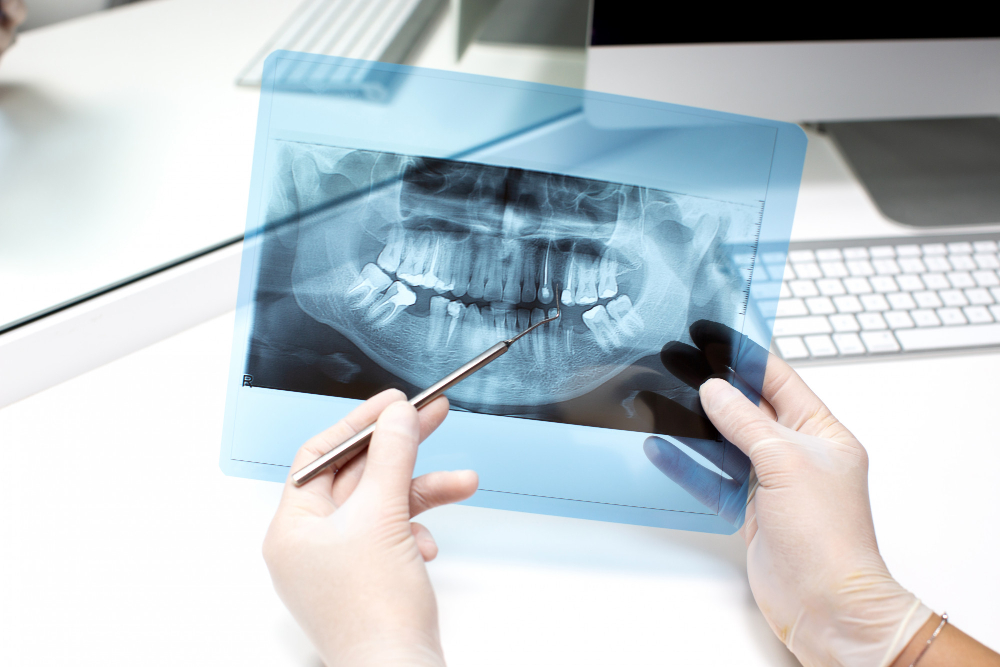
Your first visit includes a comprehensive exam using advanced imaging and a full evaluation of your teeth, gums, and overall oral health. We screen for early signs of decay, gum disease, oral cancer, and assess existing restorations to ensure everything is functioning at its best.
Why Is a Dental Exam Necessary?
Patients of all ages in Houston, Texas are advised to attend dental checkups at least once per year to address their comprehensive oral health needs. Additionally, dental examinations can be conducted if necessary to evaluate any dental discomfort, trauma, or localized conditions that may arise between appointments. It is important to note that gum disease, which is often the main culprit behind tooth loss, as well as dental caries, may not exhibit obvious symptoms until they have reached more advanced stages. By detecting dental issues promptly, our expert staff can provide a wider range of treatment options. In accordance with the guidelines set by the American Dental Association (ADA), it is recommended that infants and toddlers visit a dental practitioner before their first birthday. At this early stage, we are able to address various concerns such as teething and finger-sucking, and guide parents on how to properly clean their young one’s teeth and gums as their mouth structures develop. By scheduling annual comprehensive oral exams, parents can instill effective oral hygiene practices in their children from an early age, leading to a lifetime of healthy smiles.
Cleanings & Prevention

Dental Exams & Cleanings

X-Rays

Preventive Care
Dental Cleaning by a Professional
Registered dental hygienists typically carry out professional dental cleanings, known as dental prophylaxis. During your cleaning appointment, you can expect a comprehensive dental examination as well as the following procedures:
- Elimination of Calculus (Tartar): Calculus refers to hardened plaque that has accumulated on the tooth surface over an extended period and has become firmly attached. This calcified plaque can form both above and below the gumline and necessitates special dental instruments for removal.
- Plaque Removal: Plaque is an almost imperceptible sticky film that develops on teeth. It consists of a thriving colony of bacteria, food remnants, and saliva. The bacteria produce harmful toxins that result in gum inflammation, which serves as the initial stage of periodontal disease.
- Teeth Polishing: This procedure aims to eliminate stains and plaque that could not be entirely eliminated through regular tooth brushing and scaling techniques.


Choosing a HOUSTON DENTIST
Comprehensive &
Compassionate Dental Care
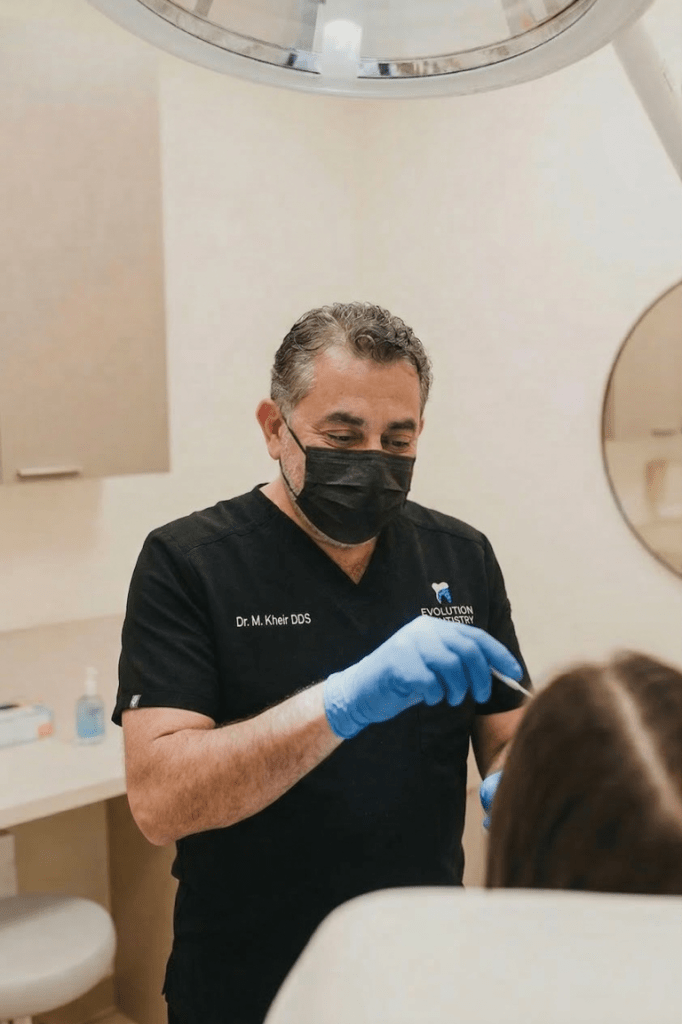
With more than 30 years of experience, Dr. Mohamad El-Kheir provides comprehensive dentistry focused on maintaining long-term oral health, function, and confidence. After earning his DDS from Case Western Reserve University School of Dental Medicine and completing the Advanced Education in General Dentistry (AEGD) program, he has spent his career delivering modern, personalized care to the Houston community.
At Evolution at Tanglewood Dental, we treat more than what you can see. By combining orthodontics, cosmetic dentistry, and TMJ treatment under one roof, we help patients achieve healthier, more comfortable smiles that last.
